Blog
Why Your Air Ducts Are Making Noise
Why Are My Ducts Making Strange Noises?
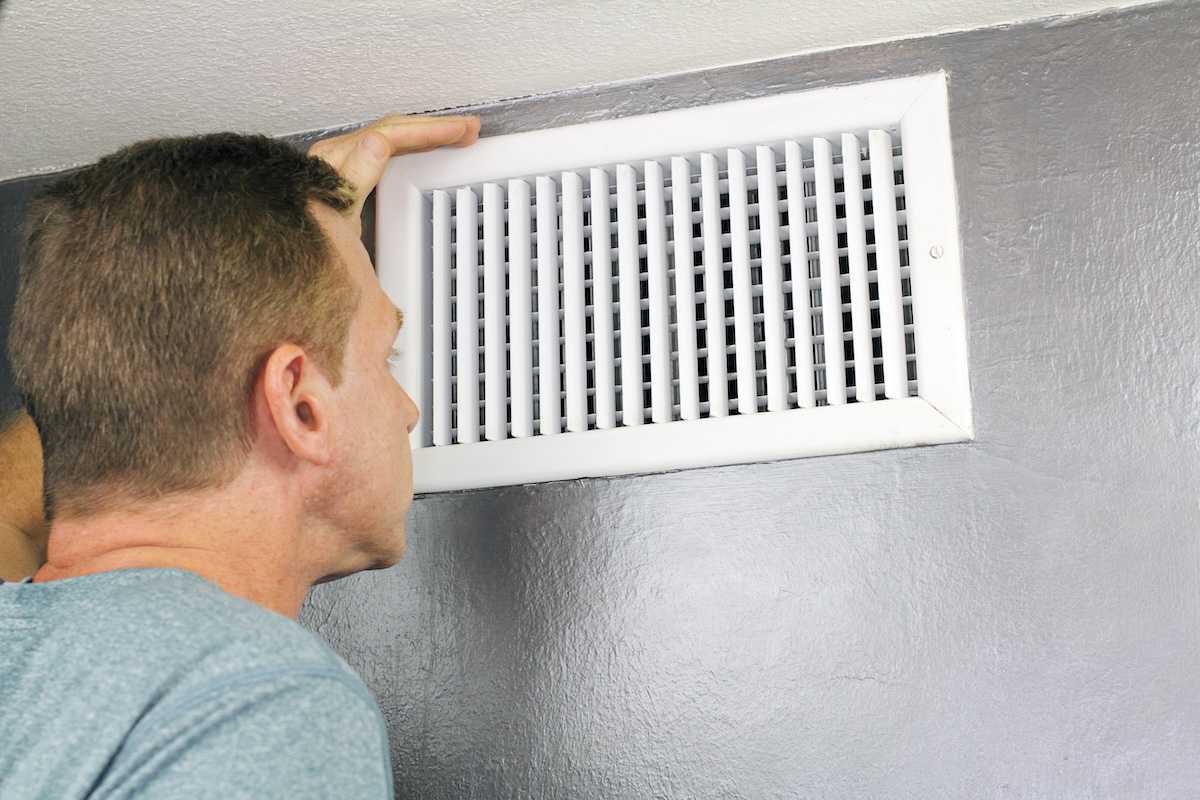
This time of year, we get lots of questions about ducts making strange noises or air ducts making noise. While some sounds may seem minor at first, they can point to airflow restrictions, loose ductwork, aging system components, or a motor that is starting to fail. The most important thing is not to ignore it or wait for it to go away — you’ll only allow the issue to get worse. Paying attention to when the sound happens, how often it occurs, and what it sounds like can help identify the problem faster. Here’s what you should listen for.
What Do The Different Air Duct Sounds Mean?
Any noise coming from your ductwork can be a red flag, but different sounds can mean different things. Some noises may be related to normal system operation, while others may indicate that your HVAC system needs professional attention. Here are the most common air duct sounds we hear about:
- A pop, bang or clunking noise in the duct: This is often called “oil canning” and typically happens when the furnace shuts off because the air in the ducts loses pressure. As the metal expands and contracts, it can create a loud banging or popping sound. In some cases, this may mean your ducts are older, undersized, or need reinforcement to handle airflow properly.
- A high-pitched whistle: This usually means there is an airflow restriction somewhere in the system. One of the most common causes is a dirty or clogged air filter. When air cannot move freely, pressure builds up and creates a whistling sound. Replacing the filter may help, but if the sound continues, there may be another issue with the ductwork or return air system.
- A humming, buzzing or lower-pitched whistle: This type of sound can depend on several things — the speed of the blower on your furnace, how your ductwork was installed, or how many registers you have and how many of them are closed. If you close too many registers, you reduce airflow through the system. That can make your HVAC equipment work harder than it should, which may shorten the life of important components.
- A ticking, rattling or flapping noise: This probably means something loose is inside the ducts, such as a wrapper, small object, or loose piece of material. It may also be caused by a loose vent cover, damper, or section of ductwork. Even if the sound seems small, it is worth checking because rattling can become worse over time.
- A squeaky or squealing motor: This often means a motor part is wearing out or close to failure. A bearing or winding may be starting to give out. If this is ignored and the motor seizes up, it may cause additional damage, such as tripping breakers or even damaging the circuit board. Waiting too long to call a professional could mean your furnace or air conditioner stops working when you need it most.
One thing to keep in mind is that some HVAC noises are normal, such as the click of the gas valve or igniter. Older systems are also usually louder than newer systems. If you recently updated your system or moved into a newer home, you may notice sounds you are not used to hearing — or you may notice that your new system is much quieter than your old one.
What Should I Do When My Ductwork Is Making Noises?
If your ductwork is making unusual noises, record the sound on your phone and take note of when it happens. Try to identify what phase of operation the system is in when the noise starts. The cycle usually begins with the inducer coming on, then the burner, then the blower. When the system shuts down, it usually turns off in a different order — burner, inducer, then blower. If the problem is related to a motor, start-up and shut down are often the main times you will hear the noise.
It is best to call someone sooner rather than later to check it out. We often talk to homeowners who have heard their air ducts making noise for a week or more and hoped to make it through the season before doing anything about it. Unfortunately, waiting can turn a small repair into a larger issue. Many people end up calling in a panic at the worst possible time because the motor went out or the system stopped working completely.
If you are hearing problematic noises — especially during a time when your heat or air conditioning will be running regularly — remember that the more your system runs, the more strain it may experience. Don’t put yourself in a bad situation by ignoring it and hoping for the best.
If you’ve heard these noises in your home lately, it may be time to do something about it. Call Bell Brothers at 515-337-2456 or fill out our online form.