





“What is a variable speed air conditioner?” That’s a common question we hear from homeowners who are looking to either replace or upgrade their air conditioner or entire HVAC system. A variable speed compressor is an advanced technology that allows HVAC systems to provide optimal efficiency and comfort indoors.
In order to know whether a variable speed AC unit is a good fit for you home, it’s helpful to have a basic understanding of the three types of air compressors: single-stage, two-stage and variable speed.
What Is a Single Stage AC?
Most homes with central air conditioning use a single-stage compressor. This type of compressor runs at maximum capacity no matter how much or little cooling you need and turns on and off continuously throughout the day.
For example, if your thermostat is set to 75 degrees, the AC will turn on anytime the indoor temperature reaches 76 degrees or higher. Once the AC has cooled the indoor temperature back down to 75 degrees it will turn off. Because maintaining a stable indoor temperature rarely requires the air conditioner to work at full blast, a lot of energy goes to waste.
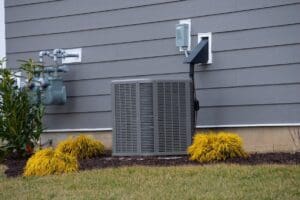
What Is a Two Stage AC?
A two-stage compressor can run on a high- or a low-speed setting. Because the low setting is usually enough to keep your temperature stable, this compressor can save you energy by running at a slower speed more often. It kicks into the high setting only when your cooling demand is great enough to require a large amount of cool air quickly.
What Is a Variable Speed AC?
A variable speed air conditioner isn’t restricted to specific settings; it blows a smooth, steady stream of cold air through your home to maintain the desired indoor temperature. This method allows the compressor to choose the precise speed that’s most efficient for the given cooling demand. You’ll enjoy optimal energy efficiency along with a more stable and even temperature.
Benefits of a Variable Speed Air Conditioner
Improved comfort and efficiency are the two biggest benefits of a variable speed air conditioner. Indoor comfort is improved because the compressor’s continuous run time helps dehumidify your home more effectively. Relative humidity inside your home increases when the AC isn’t on. Since a single-stage AC doesn’t run continuously, it can be harder for some homeowners to achieve a comfortable indoor temperature when it’s 95 degrees outside.
The other big benefit is efficiency. Because variable speed air conditioners don’t turn on as frequently, they have lower utility costs. Most of your AC’s electricity draw happens when it turns on – not while it’s running. The constant turning on and off (otherwise known as short cycling) of your air conditioner uses more electricity and is less energy-efficient.
Since variable speed units run more frequently, they are also quieter and filter the indoor air more effectively.
Is a Variable Speed AC Worth It?
Two-stage and variable speed air conditioners are more expensive than single-stage systems. With that in mind, it’s important to make sure you weigh all of your options and determine what type of system not only fits your budget, but also fits your home comfort needs.
Schedule Online
Throughout my years in the heating and cooling business, I’ve discovered there are a number of HVAC myths floating around. In this post I’ll be sharing some of the most common HVAC myths and dispelling them for you, so you know the best ways to care for and maintain your HVAC system.
Myth #1: The bigger the HVAC system size, the better
A lot of people might be surprised to learn that when it comes to HVAC system size – bigger is not better. When your HVAC system is too large, it costs more to run and it’s harder to control the indoor temperature and humidity levels.
To maximize efficiency, choose a smaller system that allows your AC to operate continuously. When your system is able to run continuously, the AC won’t shift between high-blast and not running at all. With an HVAC system that is the right size for your home, you’ll likely feel more comfortable during the summer in a house that’s set at 75 degrees with a lower humidity level than you would in a home that was set at 68 degrees with a higher humidity level.
Myth #2: Changing the thermostat settings will fix my temperature problems
HVAC myth number two, once you have the right size HVAC system, there’s still an ideal temperature range to consider. HVAC systems work by either being turned on or off. Setting the temperature on the thermostat really low or really high won’t get you to your desired indoor temperature faster. The only thing it does do is make your AC or furnace work longer.
During the summer, it’s best to not set your thermostat lower than 70 to 72 degrees. Most units are not designed to cool a house below that point, and you risk the system freezing up. In the winter, it can be tempting to walk over to your thermostat and crank up the heat. In the winter, I wouldn’t set your furnace much higher than 75 and definitely not above 78 degrees. This temperature setting can be too hot for a house and you’d be wasting a great deal of energy.
Myth #3: Routine HVAC maintenance isn’t important
You routinely change the oil and rotate the tires on your car to keep it running smoothly. So why ignore your HVAC system? Investing in regular maintenance can save you time and money. There are many parts to an HVAC system – electrical parts, coils and motors. Not taking care of your system can lead to expensive repairs that could have been avoided with regular maintenance and cleaning.
Maintenance is also an important step in extending the life of your heating and cooling system. A furnace or air conditioner can last up to 20 years — but not if it’s poorly maintained.
Myth #4: I should cover my AC in the winter
You may have read or heard from a neighbor that you need to cover your AC unit to protect it from snow. This is actually one of the common HVAC myths homeowners often believe. Covering the top and sides of your air conditioner can allow moisture to build up, causing damage to the unit. It also provides a nice warm place for mice or other rodents to build a nest and pass time by chewing away at the wires. If you do cover your AC in the winter, only cover the top. Manufacturer guidelines don’t recommend covering the sides of your air conditioner.
Myth #5: The location of my thermostat isn’t important
The thermostat is the brain of your HVAC system. It is what tells your furnace or AC to turn on and off. Where you place your thermostat can have an impact on how accurately it operates. For example, placing the thermostat in an area of your home where it could receive a lot of direct sunlight during the day could cause the thermostat to think it’s hotter in your house than it actually is. The room where you place the thermostat also matters. Hallways have a different airflow than the rest of the home and are not often occupied. And the heat that is generated by the stove and oven in your kitchen can create the same problem as direct sunlight and cause your thermostat to think your house is warmer than it actually is.
Myth #6: I don’t need to change my furnace filter
Changing your furnace filter is very important. In fact, changing the filter is the No. 1 thing a you can do to maintain your furnace. A dirty furnace filter will restrict air flow into the HVAC system and decrease its efficiency. It’s also important to remember that all of the air in your home passes through the furnace filter. A dirty filter can have a significant impact on the indoor air quality inside your home. This video shares the different types of filters and how often each one needs changing.
Myth #7: I shouldn’t run the AC fan continuously
This is a common HVAC myth that continues to circulate among homeowners. We recommend that homeowners keep their AC fan set to “On.” Most thermostats are located on the main level of the home, helping the first floor and basement maintain a comfortable indoor temperature. Keeping the fan running constantly will help air flow more evenly throughout your home.
Running your AC system fan all day can actually use less energy and help keep your house more comfortable. It will also cause less wear on your motor because it’s not starting and stopping all day like it would when set to “Auto.”
Our trained and certified HVAC technicians are here to help. If you have any questions about your HVAC system, connect with us online.
Why is my upstairs so hot in the summer? This is probably a question you’ve asked yourself many times. It’s a problem that faces many homeowners in the summer — a hot and uncomfortable second floor. One of the ways you might try and cool your upstairs is to walk over to your thermostat and crank up the air conditioner. This typically results in a main level that is too cold and a second floor that is still too hot.
Why Is The Second Floor is Hot
There are three main reasons why it can be difficult to cool down your second floor in the summer.
- Heat rises. You’ve heard the phrase “hot air rises.” That also means cool air sinks. As a result, it’s a natural tendency for a home to be warmer upstairs and cooler on the lower levels.
- Roof and attic. Your roof takes in heat from the sun which is then absorbed and circulated into your attic and second floor.
- Leaky ductwork. The average home’s air duct system leaks 25% to 40% of the air that flows through it. This can have a big impact on having a consistent and comfortable temperatures throughout your house.
How To Cool Down Upstairs Room
- Climate zones. Redirect airflow by closing a few register vents on the first floor. This will help push more air to the second floor. You can also consider installing a zone system in your home. Zoning allows you to heat and cool individual rooms — or zones — to different temperatures. You can control multiple zones separately to reduce hot and cold spots for more consistent comfort, or you can increase efficiency by only heating or cooling areas of your home that are in use. For example, you can set the temperature of the nursery at 72 degrees, your living room at 70 degrees and the basement at 68 degrees.
- Keep AC fan set to “On.” Most thermostats are located on the main level of the home, helping the first floor and basement maintain a comfortable indoor temperature. Change the fan setting on your thermostat from “Auto” to “On.” Keeping the fan running constantly will help air flow more evenly throughout your home.
- Aeroseal your ducts. Your heating and cooling system can only be as efficient as your ducts. As we mentioned above, the average home’s air duct system leaks 25% to 40% of the air that flows through it. Sealing your ductwork using a product called Aeroseal® can help improve the comfort in your home and reduce leaks by up to 90%. Sealing your ductwork also provides better air quality because dust, dirt and pollen are not being sucked into the ducts and pushed around your house.
- Block the sun. Make sure all your windows and doors are sealed properly, so none of that cool, conditioned air is escaping through cracks. You can also look into purchasing light and UV blocking blinds and curtains to help keep a room cool during the day.
- Change the air filter. A dirty air filter blocks air flow and can cause your system to not run as efficiently. Be sure to change your air filter once a month.
- Ceiling fans. Ceiling fans keep the air moving and circulating throughout the house. This will help limit those temperature extremes on each level. A general rule of thumb is to run fans counter-clockwise during the summer at a higher speed and clockwise during the winter at a lower speed. The counter-clockwise motion forces cool air down, creating a wind-chill effect that will make you feel cooler. The clockwise movement pulls cool air up and pushes warm air down.
If you’re still having issues, that might be a sign that your system isn’t properly sized for your home and needs to be updated. We’ve helped many homeowners in the Des Moines area solve their home comfort problems. You can contact a Bell Brothers Home Comfort Specialist by contacting us online.
Considering replacing the AC unit in your home is a big decision. And if you haven’t purchased a new air conditioner or furnace before it can feel like a stressful buying process. But it doesn’t have to be. To help prepare you for this purchasing decision, use the guide below to help you through the process of selecting and buying a new AC for your home.
Evaluate Current AC Unit
As you prepare to purchase a new AC, it’s important to evaluate your current unit. What do you like or not like? A few questions to ask yourself are:
- Is my current air conditioner creating a lot of outside noise?
- Does my AC keep up with the cooling needs of my home?
- Does my home feel humid or sticky inside when the air conditioner is running?
These are important questions to ask yourself. The decision on which style of air conditioning unit to purchase should be based more on how much comfort you want to drive into the home than gaining cost savings from efficiency. This is because the yearly cost difference between an AC with a 16 Seasonal Energy Efficiency Ratio (SEER) and an AC with a 20 SEER unit is typically under a hundred dollars. We recommend homeowners focus on selecting an AC unit that meets their comfort needs.
Consider The Age of Your HVAC System
If both your air conditioner and furnace are at least 12 years old, you will want to consider not just replacing your AC, but your whole HVAC system. If you have an older furnace with a standard motor, you will have limited options in the type of air conditioner that will be compatible with your furnace. Replacing your entire HVAC system will provide you with the maximum number of choices when selecting a heating and cooling system for your home.
Which Type of AC Unit Do I Need?
There are three types of air conditioners to consider when choosing a new unit – single-stage, two-stage and variable-speed. The main difference between each type of air conditioner is the type of compressor they use. Here is an overview of the differences between each type of compressor:
- A single-stage air conditioner has only one compressor speed. The unit is either switched on and running or switched off completely, with nothing in between. You can replace this type of AC with almost any type of unit on the market. A single-stage air conditioner is going to be louder and not as efficient as other types of units.
- Two-stage air conditioner can run on a high- or a low-speed setting. Because the low setting is usually enough to keep your indoor temperature stable during a mild summer day, you can save energy by running at a slower speed more often. It kicks into high speed only when your cooling demand is great enough on really hot summer days. A two-stage AC is also going to be a little bit quieter and a little more efficient.
- A variable-speed air conditioner is going to provide the best level of indoor comfort. This type of AC isn’t restricted to specific settings; it can run at any speed within a set range. This allows it to choose the precise speed that’s most efficient for the given cooling demand. You’ll enjoy quiet operation, lower humidity levels inside, more stable temperature and optimal energy efficiency.
An HVAC Professional Will Help You Choose the Right AC for Your Home
As you prepare to replace your AC unit for your home, be sure to choose a quality, licensed HVAC contractor to work with. Take the time to research local companies and find out what products they sell and what services they offer. A good contractor will take the time to sit down and work with you to select the best AC unit replacement for your home. And they will properly install and maintain your system to get the best efficiency over time.
To learn more about choosing the right HVAC system for your home, contact us at Bell Brothers or call 515-244-8911.
How often do we hear complaints about the humid weather here in Iowa? Humidity levels in Des Moines during the summer months can range anywhere from 52-82%.
The human body and your house are in a constant battle over what the humidity level should be. People are usually the most comfortable when humidity levels are around 50%. Additionally, your house can’t handle much more than a 60% humidity level. At this level you can start to encounter problems with mold growth in your home.
Not sure if the humidity levels in your home are too high? Here are a few signs to look for:
- You have your thermostat set to around 70 degrees, but the air still feels thick and moist.
- Your AC cycles on and off often.
- There is condensation on the walls or floors in your basement.
How to Dehumidify Your House in the Summer
Think about your air conditioner as a giant dehumidifier. The best way to dehumidify your house is to make sure your air conditioner is maintained, properly sized and running constantly throughout the day. If you’re replacing your air conditioner, we always recommend a variable capacity unit. These models have a dehumidification mode, which means the unit will automatically measure the humidity in your house and turn on the AC at a lower capacity to dehumidify.
Another way to keep humidity levels in your home low in the summer is to keep the windows closed. People love to run their AC during the day when it’s hot outside and open the windows at night when it’s cooler. Unfortunately, this is not great for humidity control. Your air conditioning system spends the whole day adjusting to and maintaining an ideal humidity level, and by opening the windows the humidity level is immediately upset leaving you back at square one.
There is a misconception that the windows-open technique will help reduce energy costs. In reality, it will likely cost more money because the AC has to work doubly hard to dehumidify the house a second time. The best thing to do is to set the thermostat and leave the windows closed.
Adding a Dehumidifier to Your Home
If after following our advice to keep the windows closed and your AC well maintained and running continuously, there are still high humidity levels in your home, it’s probably time to call in some backup in the form of a dehumidifier. Sometimes, dehumidifiers are necessary to get the humidity level in a home down to where it needs to be in order to avoid conditions that promote mold. If you decide to purchase a dehumidifier for your home, look for an Energy-Star rated model and put it in your basement next to the floor drain.
For more information about variable capacity air conditioning units and other home comfort options, contact Bell Brothers online or at 515-244-8911.
Updated: August 31, 2025
In the summer, it’s common to experience extended periods of hot and humid weather. And this is not the time of year any of us want to come home to find our air conditioner not working properly.
When this happens, sometimes the solution is as simple as changing the furnace filter. There are a few reasons your AC may not be working, which is why we put together this guide for troubleshooting common air conditioner issues.
“My air conditioner is running but not cooling.”
It might sound obvious, but the first sign that your air conditioner is not working properly is that your house is going to be hot.
What you should do:
The first thing we recommend doing is changing the filter in your furnace. A clogged filter can significantly impact how your central air operates. It’s also important to check your furnace and air conditioner for visible signs of blockage or damage. Take a few minutes to step outside and check if your air conditioner is free of obstructions such as leaves, branches, grass clippings, plants, or protective covers. If something doesn’t look right, it’s probably best to call and schedule a service appointment.
To avoid these problems down the road, consider signing up for one of our annual maintenance programs to stay ahead of common AC issues like this.
“My air conditioner was working, and my house was comfortable — that is until it was 97 degrees outside.”
Your air conditioning system might only be functioning at marginal capacity. That means it isn’t able to keep up on extremely hot days. If you haven’t had air conditioner annual maintenance performed, the condenser unit could be dirty, and the coil could be clogged. This can cause your AC to work harder even though the house still feels too warm.
What you should do:
Same as above. Change your filter. Check the indoor and outdoor units for signs of blockage. Don’t hesitate to contact us; we’d be happy to come take a look.
“My HVAC system seems to be freezing up — should there be ice on the AC coils?”
The AC coil should never have ice on it. This could mean a few things, including a plugged filter or that the unit is low on refrigerant charge.
What you should do:
Turn your air conditioner off immediately and contact us to come service it. There’s not much you can do on your own for this problem, but it’s very important that you turn the air conditioner off so the ice will melt naturally. We also recommend you don’t try and chip away at the ice before a service tech arrives.
“There’s a pretty big puddle underneath my furnace. Is a leaking furnace dangerous?”
Yes, a leaking furnace is a bad sign. That could mean condensate water is running down through your furnace which could cause the AC blower motor and the circuit boards to burn out. This puts all the electrical components of your furnace and, in turn, the air conditioner, at risk.
What you should do:
This is another situation where you should call a certified HVAC technician right away to schedule a maintenance appointment.
When to Call an HVAC Expert If Your Air Conditioner is Not Working
In many situations where a homeowner is troubleshooting common air conditioner issues, we recommend calling a trusted HVAC technician to come take a look. Air conditioners and furnaces are not a small investment, and we want homeowners to receive the best advice and service in order to protect their HVAC system.
Here are a few examples of maintenance that should be left to a trained professional:
- If any maintenance needs to take place inside the air conditioner or furnace unit ― meaning you’d have to take something apart ― that’s better left to the professionals.
- Don’t use a hose to wash off your AC unit. The pressure can flatten the fins on the air conditioner and actually push dirt further into the coil. When we say an AC needs to be kept clean, we mean clean from the inside out. Professionals have the tools and the knowledge necessary to safely clean AC units and coils.
- If your air conditioner doesn’t seem to be keeping up with the hot weather like it normally does, don’t keep turning the temperature lower and lower. That’s just going to make the AC work harder than necessary without making your home any cooler. Plus, that means you’re not addressing the root of the problem (likely one of the scenarios above), and your AC system is not getting the repair it needs.
Why Spring Is the Best Time to Replace AC Systems
Replace AC system in the spring? You may be surprised to learn there’s actually a best time of year to upgrade your air conditioner or furnace, and spring is it. Here’s why it’s the smartest season to make the switch.
1. Manufacturer Deals & Rebates
HVAC manufacturers know that spring isn’t top-of-mind for most homeowners when it comes to heating and cooling. That’s why many offer seasonal incentives, including rebates and special promotions, between April and June. These offers can make a big difference when you're ready to replace your AC system, often saving you hundreds of dollars on top-tier equipment.
Instead of waiting until summer when demand spikes and prices rise, spring gives you a window of opportunity to take advantage of these cost-saving deals without the pressure of emergency breakdowns.
2. Ideal Weather Conditions
Replacing your HVAC system means going without heating or cooling for at least a few hours and sometimes an entire day, depending on your setup. In spring, you’re far less likely to be uncomfortable during the installation process. The mild temperatures allow technicians to work efficiently, and your home won’t be freezing or sweltering in the meantime.
If you try to replace your AC system in the heat of summer, you could be looking at a very hot and miserable 24 hours. In winter, going without heat can pose safety risks. Spring, on the other hand, makes installation low-stress for both you and your home.
3. Easier Scheduling and Faster Turnaround
Spring is one of the slowest seasons for HVAC emergencies. That means companies aren’t slammed with last-minute calls and can offer more flexible scheduling. Whether you're working around a busy calendar or need time to prep your home, you’ll have more control over your timeline.
You’ll also benefit from quicker turnaround times. Instead of waiting days or even weeks during the peak of summer, your new ac system can often be installed faster, getting you set up well before the next heat wave hits.
4. More Cost-Effective Long Term
If your furnace or air conditioner is nearing the end of its life, spring is the perfect time to replace both systems together. Not only do most HVAC systems have similar life expectancies, but they’re designed to work in tandem. Replacing both at once avoids future compatibility issues and can reduce overall labor costs, since the installation team only has to come out once.
By planning your upgrade now, you’re also more likely to choose the system that best fits your needs, instead of rushing to make a decision during a stressful, mid-season breakdown.
Learn more: How to Clean Your HVAC System This Spring
Ready to Replace Your AC System? Contact Bell Brothers in Des Moines
If your current system is outdated, inefficient, or nearing the end of its lifespan, spring is the best time to replace ac systems. Bell Brothers has been helping homeowners across Des Moines and Central Iowa upgrade their HVAC systems for more than 70 years.
We’ll guide you through your options, help you find the best unit for your home, and install it with care and precision, all before summer heat sets in. Contact Bell Brothers today to replace your AC system the smart way.
Did you know the proper landscaping around your air conditioner unit can help keep your home cool in the summer? You may also be surprised to learn it doesn’t take much work or investment to see a noticeable difference in your energy bills. In fact, the U.S. Department of Energy estimates well-planned landscaping can save up to 25% of the energy a typical household uses.
Here are a few tips on how to landscape around your AC unit this summer.
1. Provide Shade For AC Outdoor Unit
The outdoor unit for the central air conditioning system or a window unit is just like a car in the summer. Left in the sun, it will heat up. That means the system has to work harder. You can provide shade for the unit by planting a tree several feet away. Make sure you know which direction the tree’s shadow will fall and ensure the branches will not hang closer than five feet above the unit.
2. Don’t Add Fence Near AC Unit
Air conditioning units aren’t known for their beauty, and this may cause some homeowners to put a fence around the outdoor unit. Unfortunately, this negatively affects the unit’s performance because it needs airflow to work properly. A standard rule is providing three feet around the unit and five feet above the unit for necessary airflow.
3. Keep Debris Away From Outdoor Unit
Plants too close to the outdoor unit can allow debris and leaves to easily blow into the unit, which can clog up the coil causing performance issues. By selecting plants that won’t shed leaves, small branches or seeds — like cottonwood — the air conditioning unit will stay cleaner.
4. Shade Your House
Planting trees on the south and west sides of your home will provide shade for your roof. Keeping your roof cooler means keeping your home cooler, which reduces your air conditioning needs. Plant a 6- to 8-foot deciduous tree near your house, but make sure the branches will not hang over the roof. The tree will start shading your windows in the first year.
5. Grass is Better Than Hardscapes
Many homes boast impressive hardscapes — outdoor living areas made of concrete, brick or stone. But those materials heat up the air that then goes into your air conditioning unit — making it work harder to cool the air. On the other hand, grass keeps air temperatures cooler — making it easier for the air conditioner to cool the air even more.
Implementing these tips can help save you 20 to 30% on energy costs in the summer.
HVAC Tips for Winter to Keep Your System Running Smoothly
Winter weather can be harmful to your home’s heating and air conditioning system. One of the most important HVAC tips for winter is to treat your system like you would your car in icy conditions, with extra care and attention. Just as you take safety precautions when driving on slick roads, you should also take steps to protect your HVAC system from freezing temperatures, snow, and ice buildup. Following these tips can help extend the life of your system and keep your home comfortable during the coldest months.
Clear Snow and Ice from Outside Pipes
While you’re out clearing snow off the driveway, make sure to check the furnace intake and exhaust pipes. These pipes are usually a foot or two above the ground, so if there’s more than a few inches of snow, it’s important to check them. Removing snow and ice will help prevent thawing and refreezing in the pipes, which can cause your furnace to quit working — one of the most common issues that winter HVAC tips aim to prevent.
If your furnace suddenly stops working during the colder months, it could be due to blocked intake and exhaust pipes. As part of your HVAC tips for winter checklist, try turning off the power to the furnace, clearing the pipes, and then turning the power back on. If there’s still an issue, a Bell Brothers service technician can come to your home to investigate and resolve the problem.
Remove Snow and Ice from the Gas Meter
It’s also important to keep the gas meter clear of snow and ice. It not only records how much gas is used, but it also regulates the pressure of the gas entering your home. If the vents on the meter become plugged by snow or ice, it can cause erratic pressure, which is why HVAC winter tips often stress this step. This can cause the furnace or water heater to not work properly.
Troubleshooting Tip: If the furnace or water heater pilot light won’t stay on, it could be a sign the gas pressure is not stable. Check the meter to ensure it isn’t covered with snow and ice. If it is, carefully clear it off. If the equipment is still not working properly, schedule a Bell Brothers service technician to take a look.
Don’t Cover Your Outdoor Air Conditioning Unit
You may have read or heard that homeowners should cover the outdoor air conditioning unit to protect it from snow. However, according to expert HVAC tips for winter, this is actually incorrect. Covering the unit can allow moisture to build up, causing damage to the unit. It also provides a nice warm place for mice or other rodents to build a nest and pass the time by chewing away at the wires in the air conditioner.
Instead, keep the area around the unit clear and let it breathe naturally through the winter months. This small step, along with other HVAC winter maintenance tips, can help you avoid costly repairs come springtime.
Learn more: Improve HVAC Energy Efficiency This Winter
Protect Your HVAC System All Season Long
Let Bell Brothers help you protect your HVAC system this winter. Whether it’s following HVAC tips for winter like clearing snow from vents or avoiding unnecessary covering of your AC unit, small actions can make a big difference in system efficiency and reliability. Give us a call or contact us online for professional guidance and service.