Blog
DIY Sewer Cleanout: Clear Your Drains Like a Des Moines Plumber
DIY sewer cleanout questions often come up when drains slow down or backups start to appear. In Des Moines homes, especially older ones, these issues are fairly common. When water stops draining like it should or a toilet begins acting strange, many homeowners wonder if a DIY sewer cleanout is something they can handle themselves or if it’s time to call a plumber.
This guide is meant to help you understand when a DIY sewer cleanout is reasonable and when it stops being a smart move. It’s not a replacement for professional service, and it’s not about pushing you to do more than you should. The goal is simple: help you avoid unnecessary damage, stress, and cleanup by knowing your limits.
What Is a Sewer Line Cleanout
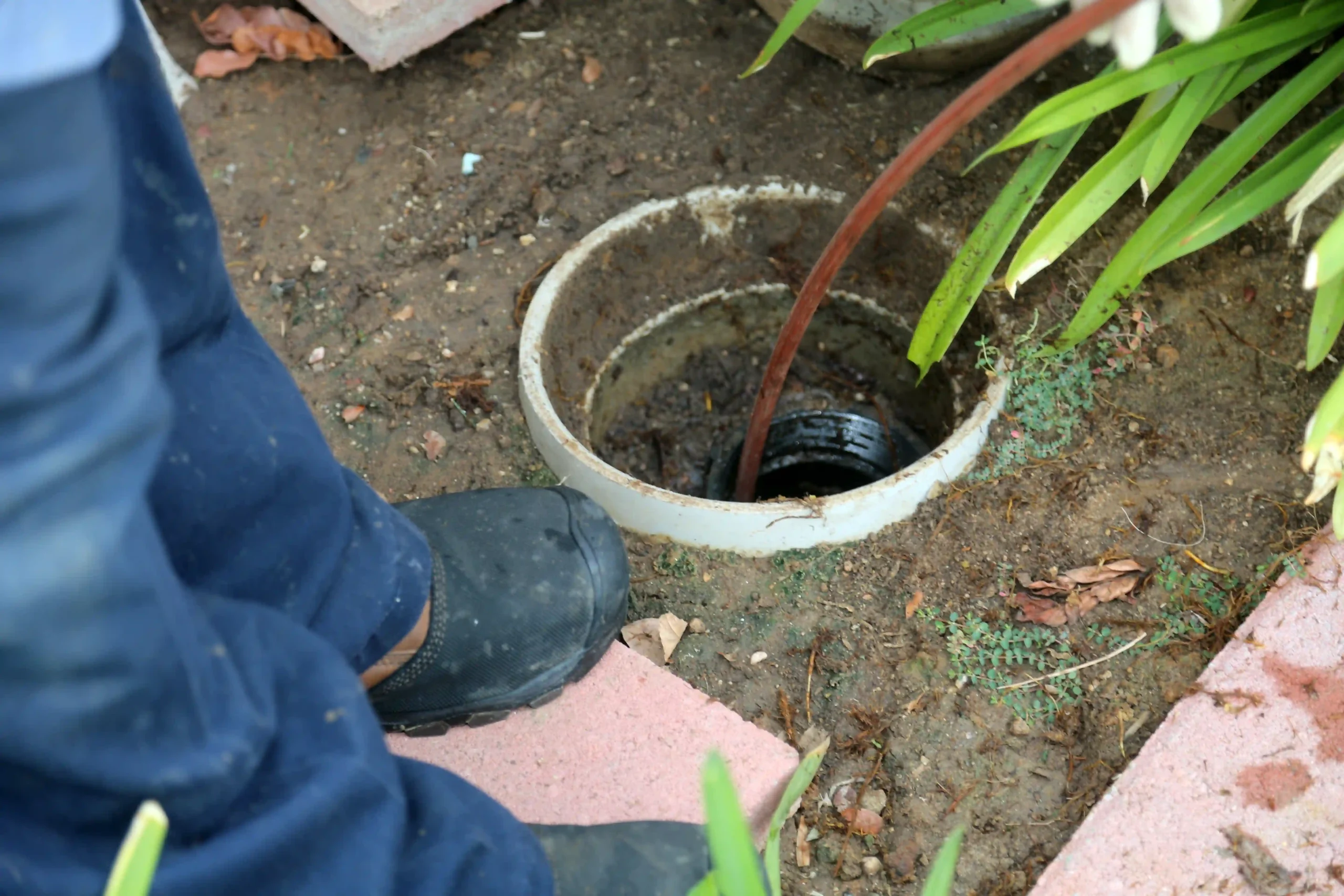
A sewer line cleanout is an access point to your home’s main sewer line. It allows plumbers, and in some cases homeowners, to reach the line to clear blockages or inspect what’s happening inside the system. While a clog may first show up at a single sink, toilet, or floor drain, the issue is often deeper in the main line and can affect multiple fixtures throughout the house, sometimes at different times or on different levels.
In Des Moines homes, cleanouts are often found:
- In the basement near a floor drain
- Along an exterior wall of the house
- Buried in the yard near the foundation
The cleanout connects directly to the main sewer line, which means anything happening there can affect every drain in the house. That’s why working at the cleanout requires more caution than basic drain clearing.
Signs the Issue Is Bigger Than a Single Drain
Before attempting a sewer line cleanout DIY approach, it’s important to recognize signs that the problem goes beyond one fixture.
Pay attention if you notice:
- Multiple drains backing up at the same time
- Gurgling sounds coming from toilets or floor drains
- Water backing up into lower-level fixtures like a basement shower
- Sewer odors inside or outside the home
These signs don’t mean panic is necessary, but they do suggest the clog may be in the main line rather than a single drain. That distinction matters when deciding whether DIY makes sense.
When a DIY Sewer Line Cleanout Makes Sense
There are situations where a DIY sewer cleanout can be appropriate. These are usually limited, early-stage issues where there’s no active backup and no standing water.
DIY may make sense if:
- The clog seems minor and drains are still moving
- There is no sewage backing up into the home
- This is a first-time or infrequent issue
- You have safe access to the cleanout
In these cases, carefully attempting to clean out a sewer line yourself can sometimes restore normal flow and clear your drains without further issues.
If you decide to move forward, it’s important to approach a DIY sewer cleanout carefully and with a clear understanding of what you should and should not attempt.
Cleaning Out Your Sewer Line - Step-By-Step Basics
If you decide to attempt a DIY sewer line cleanout, keep the process simple and stop immediately if things don’t go as expected.
Basic steps include:
- Locate the sewer cleanout and clear the area around it
- Open the cleanout cap slowly while standing to the side
- Use a manual drain snake, not chemicals
- Work gently to break through minor blockages
- Flush the line with water afterward to check flow
- Stop immediately if water starts backing up
This process is meant to address light obstructions. If resistance feels extreme or water pushes back toward you, it’s time to stop.
Common DIY Mistakes That Cause Bigger Problems
Many sewer emergencies start with good intentions. Certain DIY methods often make sewer problems worse instead of better.
Mistakes to avoid include:
- Using chemical drain cleaners, which can damage pipes
- Forcing augers through resistance, leading to cracked lines
- Using pressure washers inside sewer pipes
- Ignoring repeat clogs and hoping they clear themselves
These approaches often lead to pipe damage, sudden backups, or situations that require urgent repair from 24 hour emergency plumbers. What starts as a clogged sewer line DIY attempt can quickly turn into a much larger issue.
When You Should Call a Local Plumber
Knowing when to stop is just as important as knowing when to try. Sewer systems are complex, and some problems simply aren’t DIY-friendly.
It’s time to call a plumber or reach out to local plumbing experts if you notice:
- Repeat backups even after attempting a cleanout
- Tree roots interfering with the sewer line
- Older clay or cast-iron pipes
- Water pooling in the yard near the sewer line
- Sewage coming back into the home
Calling for help in these situations isn’t giving up. It’s protecting your home from damage that can escalate quickly if left alone, whether that means professional sewer cleaning or determining if you need to repair or replace your sewer line.
How Des Moines Homes Can Reduce Future Sewer Issues
Preventing sewer problems often comes down to habits and awareness, especially in older neighborhoods.
Helpful steps include:
- Avoid flushing wipes, paper towels, or hygiene products
- Keep grease out of drains and dispose of it properly
- Be mindful of freeze and thaw cycles that affect buried lines
- Consider occasional inspections for aging sewer systems
Small changes can reduce the chances of dealing with sewer cleanout at home situations later on.
What to Keep in Mind Before Taking the DIY Route
A DIY sewer line cleanout can help in the right situation, but it has clear limits. Understanding what you can safely handle and when to stop saves money, time, and stress. Paying attention to early warning signs and acting before a backup occurs is often the best approach.
When it comes to sewer problems, early action beats emergency cleanup every time. For help from the experts, contact us today.
Schedule Online