





If you’re looking to upgrade your current HVAC system and are researching the difference between a heat pump and a gas furnace, there’s a good chance you are finding articles online that discuss the pros and cons of a heat pump vs a gas furnace.
In this blog post, Bell Brothers wants to share the option for a heat pump with a gas furnace backup, which is known as a hybrid heat pump.
What is a Hybrid Heat Pump?
A hybrid heat system uses a conventional gas furnace in conjunction with an electric-powered air source heat pump. The heat pump looks like the outdoor air conditioning unit and works similarly. While an air conditioning unit moves warm air from inside the house outside, a heat pump does just the opposite. In the winter, it gathers heat outside, concentrates it and moves it inside. Moving heat is much more efficient than creating heat.
3 Reasons to Consider Heat Pump with Gas Furnace:
Cost Savings
When customers are considering a hybrid system, a common question we hear is, “Do you really save money with a heat pump?” Since heat pumps are powered by electricity, homeowners have the flexibility of switching between gas and electricity to heat the house. For example, when gas is less expensive a homeowner can set the system to run the gas furnace more and the heat pump less. There are many hybrid heat options available that are Energy Star® qualified and that will provide energy-efficient heating and cooling to help reduce your energy costs.
Comfortability
Combining a high-efficiency gas furnace with an electric air source heat pump will provide continuous temperature control in your home. Most gas furnaces kick on and off trying to reach the right temperature. A heat pump has a much longer run cycle, which keeps temperatures more constant in the home. Some deluxe models feature variable capacity, which allows them to run on a lower speed for longer cycles and provide higher energy efficiency and comfort. This reduces those four- to five-degree swings in temperature that come with single-speed furnaces.
Live in a Mild Climate
Due to the design of heat pumps, they will heat your home most efficiently when the outside temperature is 25 to 60 degrees. The gas furnace is more efficient when temperatures are below 25 because it is designed to handle that load. If you live in a location where it’s colder than 25 degrees the majority of the time (e.g., Alaska), a heat pump may not be the most efficient choice. In Iowa, the hybrid system makes perfect sense. The heat pump provides heat the majority of the time, when the temperature is moderate, and the gas furnace takes over when the weather is severe.
Annual furnace maintenance in Des Moines is one of the smartest investments homeowners can make for comfort, safety, and efficiency. A common question our service techs and sales team hear often is: How important is annual furnace maintenance?
Our simple answer: extremely important.
When you buy a new car, do you run it 100,000 miles without getting the oil changed? Not a chance. It’s the same idea with your home’s heating system. Annual furnace maintenance in Des Moines keeps your furnace working efficiently and reduces the chances of an unexpected midwinter breakdown.
Benefits of Annual Furnace Maintenance in Des Moines
One of the main concerns for your furnace is dirt. Homeowners in Iowa typically use their furnace for six months of the year. For the other six months when the furnace isn’t being used, dirt and dust accumulates in the machine, which prevents the furnace from working at peak performance.
Quick fact: By not properly cleaning your furnace every year, your HVAC system can lose up to 40% of efficiency.
Routine annual furnace maintenance in Des Moines helps extend the life of your furnace and also ensures it’s working safely. Professional service performed by a trained technician should include:
-
Full cleaning of HVAC system
-
Inspection of safety switches and devices
-
Check of heat exchanger for cracks or damage
-
Filter replacement
-
Calibration of temperature controls and economizer controls
-
Adjustment of fans and belts
-
Inspections of all electrical components
DIY? Furnace Maintenance Tips for Homeowners
While most furnace maintenance needs to be performed by a professional, there are a few things homeowners can do to keep their system working efficiently throughout fall and winter.
-
Change your furnace filter regularly. Standard 1-inch disposable filters should be changed monthly while high-efficiency air cleaners can be changed less often.
-
Don’t overwork your system. The perfect situation in the winter is 72 degrees and 35% relative humidity. If you’re turning your furnace up, that means your humidity could be too low. Using a humidifier to raise the humidity to 35% allows you to be comfortable around 72 degrees.
-
Check the batteries in your thermostat. If you haven’t had annual furnace maintenance completed on your HVAC system in the last two to three years, there is a good chance the batteries need replacement.
Annual Furnace Maintenance Cost Factors in Des Moines
Several factors can impact the price of annual furnace maintenance in Des Moines, and understanding them helps homeowners know what they’re paying for:
-
Service inclusions: Plans that include full system cleaning, safety inspections, filter replacement, and component testing will typically cost more than a basic checkup, but they also provide greater long-term protection.
-
Priority service benefits: Many plans offer extras like priority scheduling during peak season or guaranteed response times in emergencies, which can increase value.
-
Technician expertise: Maintenance performed by certified, highly trained HVAC technicians may cost slightly more, but ensures accuracy, safety, and better performance.
-
Added perks: Some programs include waived diagnostic fees, discounts on repairs, or bundled AC maintenance, which can influence overall pricing.
-
System age and condition: Older furnaces may require more detailed inspections and adjustments compared to newer systems, which can also affect cost.
At Bell Brothers, our primary objective is to help provide homeowners with the peace of mind that their HVAC systems are running at optimal safety and efficiency. We work closely with homeowners to understand their needs and challenges and help them choose an annual furnace maintenance plan in Des Moines that works best for them. Ask about our furnace installation services today.
Schedule Your Service Today with Bell Brothers in Des Moines
If you want to avoid unexpected breakdowns and keep your heating system working at peak performance, scheduling annual furnace maintenance in Des Moines is the solution. Bell Brothers has been serving central Iowa homeowners since 1955 with expert HVAC care, trusted technicians, and customer-first service.
Contact us online today to schedule annual furnace maintenance in Des Moines and keep your home warm, safe, and efficient all winter long.
Now that colder temperatures have settled into the Midwest, you might be noticing that even though your furnace is turned on, your house still feels cold. If you're worried that your furnace isn’t running efficiently — don’t be. If you regularly change the furnace filter and have already had seasonal furnace maintenance performed, it is likely that the cause is unrelated to your system efficiency.
The comfort level in your home is determined by the indoor temperature and humidity level. But one thing that can prevent this from happening easily and efficiently is negative pressure.
Schedule OnlineWhat Is Negative Air Pressure?
Negative pressure occurs when there is less air in your home than outside. Poorly sealed doors and windows will pull in the outside air. When this occurs in the winter, cold, dry air is pulled into your home.
How To Fix Negative Air Pressure In Your House
The four main home conveniences that suck the air out of your house are exhaust fans, dryers, water heaters and non-combustion furnaces. Don’t fret. There are a few things you can do to help keep your home from experiencing negative pressure.
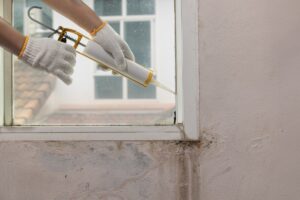
- Replace worn weather stripping around your windows and doors for a tighter seal. Taking the time to weatherize your home will help keep warm air in during the winter.
- Install a 20-minute timer on your bathroom exhaust fans to keep them from running all day.
- The clothes dryer removes a ton of air from your house. Consider not doing multiple loads of laundry back-to-back. You can also run your dryer at night while everyone is sleeping.
- Do you have a sealed combustion furnace? If you don’t, your furnace is using inside air for combustion and sending it up through your vents. You can look into upgrading your furnace and water heater to high-efficiency models to combat negative pressure.
Taking steps to address negative pressure will help keep your home more comfortable and your HVAC system from working overtime this winter.
Schedule OnlineIf you’re asking yourself, “Why is my furnace not working?” — you’re not alone. It’s a common problem during Iowa’s cold season, and we know how stressful it is when your heat stops working. Before you call in a technician, there are a few quick checks you can make to possibly fix the issue yourself.
Whether you're waking up to a chilly house and the heat just isn’t kicking in, here are five things to look at when your furnace is not working.
1. Check the Thermostat Batteries
If your furnace isn’t working, your thermostat may be the culprit. When the batteries are dead or weak, your thermostat might not signal the furnace to turn on at all.
Tip: If you haven’t replaced the batteries in over a year, start there. Swapping them out is a quick fix that could get your heat running again.
2. Double-Check Your Thermostat Settings
Sometimes the issue is just a setting error. Ask yourself: “Did someone adjust the temperature or mode?”
Make sure your thermostat is:
-
Set to “Heat”
-
Programmed at a temperature higher than the current room temp (try 72°F to test)
-
Not in a delay or hold mode
Still wondering “why is my furnace not working?” This step alone resolves the issue in many homes.
3. Make Sure Your Furnace Switch Is Turned On
Every furnace has a dedicated power switch that can sometimes be flipped off by mistake. This switch often looks like a light switch and is located on or near the side of your furnace.
If your furnace is not working at all, flip the switch off and back on to reset it. You’d be surprised how often this solves the issue.
4. Check Your Furnace Circuit Breaker
Head to your electrical panel and find the breaker labeled “furnace.” If it’s tripped (in the middle position), switch it to OFF, then back to ON.
This step is especially important if your furnace won’t turn on after a power outage or power surge.
5. Inspect and Replace the Furnace Filter
A dirty or clogged air filter is one of the most common reasons a furnace stops working. Reduced airflow can cause your system to overheat and shut down.
To avoid this:
-
Check your filter monthly during the heating season
-
Replace it if it looks dirty or clogged
-
Make sure it’s properly installed facing the right direction
Regular filter changes can prevent future breakdowns and keep your HVAC system running efficiently.
Still Wondering Why Your Furnace Isn’t Working?
If you’ve checked all of the above and your furnace is still not working, it may be time to call in the pros. It could be a faulty ignitor, gas valve, or control board, all of which require a trained technician.
Bell Brothers is available 24/7 to help Des Moines homeowners with no-heat emergencies. Whether you’re dealing with inconsistent airflow, a furnace that won’t start, or strange sounds coming from your unit, we’re here to get your home warm again, fast.
Contact us online to schedule a furnace repair.
Updated: September 1st, 2022
We receive many calls from customers asking if they should upgrade from a 90% to a 96% efficiency gas furnace. There are a few factors to consider before making the change to a variable speed furnace. Let's get into it.
Advantages and Disadvantages of Variable Speed Furnace
It’s important to have a high-efficiency furnace in your home to help protect yourself from high utility bills. A high-efficiency furnace has a rating of 90% or above. So, what does the 90% efficient rating mean? If a furnace is rated at 90% it means 10% of the energy used is lost, and 90% becomes heat.
If you have a 90% efficiency or above furnace that's 10 years old or less, to upgrade to a 96% efficient furnace probably doesn't make a lot of sense. Why? Because depending on the size of the furnace you're looking at, you may only save $50 to $100 in energy costs per year. That’s almost nothing compared to the cost of a new furnace.
However, when you look at the overall energy consumption of a furnace, you need to look at how much gas it will use AND how much electricity will it use to move warm air through the house. What makes a difference in electrical consumption is the type of blower motor in the furnace.
Two Primary Types of Gas Furnace Blower Motors
Standard furnace motor
Many of the 90% efficient furnaces installed since the 1980s use a standard blower motor. Meaning the furnace only operates at one speed — typically fast — and provides a sudden, noisy blast of air. These motors are much larger than the motors used today to move warm air throughout your home … meaning they are not very energy efficient.
Variable-speed furnace motor
A variable speed blower motor runs at different speeds to precisely control the flow of heated air throughout your home. It constantly monitors the data coming from your heating and cooling system and automatically adjusts to meet your comfort needs. Plus, a variable speed motor gradually ramps up to full speed eliminating the sudden, noisy blast of a standard furnace motors. The best news … a variable speed furnace motor is 80–85% more efficient than a standard furnace motor.
Is Upgrading to a Variable Speed Gas Furnace Worth It?
If you are going to upgrade from a 90% to a 96% efficient furnace make sure it has a variable speed furnace motor, and you could enjoy energy savings of up to $400 a year. Otherwise it’s not worth the investment.
Let’s recap...
- If you don’t have a 90% efficiency or higher furnace in your home, then yes it may well be worth the cost to upgrade.
- Make sure the 96% efficient furnace has a variable speed motor, otherwise you will not recoup your investment.
Learn more: Do This Before Turning On Your Furnance
Updated: September 29th, 2022
Fall is a busy time of year for many of us. In between football games and soccer matches, families are planning weekend outings to the local pumpkin patch and helping their kids find the perfect Halloween costume. As the calendar fills up, it’s easy to overlook scheduling a furnace inspection before the cold winter weather arrives.
You might be thinking, “I don’t need my furnace checked, I had that done last year,” but yearly routine maintenance is important because it ensures your furnace is working properly and safely. No one wants to have their furnace breakdown during the first snowstorm of the season.
One of the main concerns for your furnace is dust. Since many furnaces aren’t used for six months out of the year, dust accumulates inside the furnace and prevents it from working at peak performance. Maintenance by a trained HVAC service technician ensures your system doesn’t get bogged down and is working efficiently. If not properly cleaned every year, your system could be losing up to 40 percent of efficiency! While most maintenance needs to be performed by a trained technician, there are steps you can take to prepare for winter.
Change Your Furnace Filter
Changing your furnace filter regularly is the No. 1 thing homeowners can do to maintain their furnace. Standard 1-inch disposable filters should be changed monthly while high efficiency air cleaners can be changed less often — every three to four months. There are filters that last six months, but check with your HVAC professional for more information.
Changing your furnace filter is simple, and in just a few minutes your home’s HVAC system receives several benefits.
- The furnace and air conditioning coil are protected from dirt build-up on the filter, which can cause your system to lose efficiency and make the coil freeze up.
- The indoor air quality is improved and allergens are reduced because all the air in your home passes through the furnace filter. Disposing of used filters removes the trapped dirt, pollen and allergens from your home.
- Changing the filter will help prevent furnace shutdowns. A clogged filter can cause your furnace to stop working because it completely restricts airflow.
Lastly, don’t overwork your system by setting the desired temperature too high. The perfect indoor environment in the winter is 72 degrees and 35 percent relative humidity. If you’re turning the thermostat up, that means your humidity could be too low. Using a humidifier to raise the humidity to 35 percent provides a comfortable living environment at a temperature of 72 degrees.
Taking these steps will help ensure your home stays warm and cozy all winter long, so the only thing you have to worry about is stocking the cupboard with enough hot chocolate and marshmallows. If you are ready for a furnace upgrade, contact our team at Bell Brothers for help.
Updated: February 27th, 2025
How to Improve HVAC Energy Efficiency Before Colder Days Arrive
As winter approaches in Des Moines and the surrounding Midwest, homeowners must confirm that their HVAC systems operate at peak efficiency. Iowa winters bring frigid temperatures, heavy snowfall, and freezing winds, making a well-functioning heating system essential for home comfort.
However, an inefficient HVAC system can lead to higher energy bills, reduced indoor comfort, and costly emergency repairs when it is overworked. Proper HVAC maintenance helps homeowners reduce heating costs, extend the lifespan of their heating systems, and improve indoor air quality.
At Bell Brothers, we specialize in HVAC energy efficiency solutions. We provide expert tune-ups, preventative maintenance, and energy-saving upgrades to help homeowners stay warm while minimizing energy waste. Following these seven energy efficiency tips, you can keep your home comfortable and lower your winter utility bills before the coldest days arrive.
Learn more: Recommended Thermostat Settings for Summer and Winter
7 Ways to Improve Your Home’s HVAC Energy Efficiency
1. Schedule a Professional HVAC Inspection
A professional HVAC inspection verifies that your system is running smoothly before winter sets in. A licensed HVAC technician will inspect essential components, including:
- Heat exchanger: A cracked heat exchanger can lead to carbon monoxide leaks, posing serious health risks.
- Blower motor: Dust buildup or malfunctioning parts can reduce efficiency and airflow.
- Electrical connections: Loose or damaged connections can lead to power failures or system breakdowns.
Scheduling an annual HVAC inspection helps catch minor problems before they become major repairs. Regular maintenance prevents costly emergency breakdowns, ensuring your furnace or heat pump can handle the demands of an Iowa winter.
Schedule your HVAC maintenance appointment now to keep your system running efficiently this winter.
2. Replace or Clean Furnace Filters
Your furnace filter is critical in maintaining airflow and indoor air quality. A clogged or dirty filter forces your HVAC system to work harder, consuming more energy and reducing overall efficiency. To maximize performance:
- Replace disposable filters every 1-3 months.
- Clean reusable filters regularly to remove dust and debris.
- To improve air quality and HVAC performance, consider upgrading to high-efficiency filters (HEPA or MERV 13+).
A clean filter reduces energy waste, improves air circulation, and helps extend the lifespan of your HVAC system. For more essential maintenance tips, check out our guide on the importance of HVAC maintenance and how it keeps your system running efficiently year-round.
3. Check & Seal Ductwork for Air Leaks
Did you know that up to 30% of heated air can be lost due to leaky ductwork? Cracks, holes, and poorly sealed joints allow warm air to escape, forcing your system to work harder to maintain indoor comfort.
To improve efficiency:
- Inspect ducts for visible gaps, holes, or disconnected sections.
- Seal leaks with metal tape or mastic sealant (avoid duct tape, which degrades over time).
- Insulate exposed ducts in unheated areas like basements, attics, or crawl spaces.
Sealing and insulating ductwork ensures more heated air reaches your living spaces, reducing energy waste and heating costs.
Learn more: How to Save Money on Your Next Heating Bill with These 8 Resolutions
4. Optimize Thermostat Settings
A properly programmed thermostat can lead to significant energy savings without sacrificing comfort. The U.S. Department of Energy recommends:
- Setting your thermostat to 68°F while awake.
- Lowering the temperature by 7-10°F at night or when away for extra savings.
- Upgrading to a smart thermostat to automate temperature adjustments.
Smart thermostats learn your habits and adjust settings automatically, helping homeowners optimize HVAC performance while reducing energy costs.
5. Clear the Area Around Outdoor Units
If your home relies on a heat pump, keeping the outdoor unit clear of obstructions for optimal airflow is important.
- Maintain at least two feet of clearance around the unit.
- Remove leaves, snow, and debris to prevent overheating.
- Check for ice buildup during freezing temperatures, which can reduce efficiency.
A heat pump that has unrestricted airflow operates more efficiently, reducing strain on the system and lowering winter utility bills and helping with hvac energy efficiency.
6. Check Carbon Monoxide Detectors for Safety
A well-maintained furnace should never produce unsafe carbon monoxide (CO) levels, but an aging or faulty system could pose a silent but deadly risk. Protect your household by:
- Installing carbon monoxide detectors near bedrooms and living areas.
- Testing detectors monthly and replacing batteries once a year.
- Replacing old detectors every 5-7 years for continued protection.
CO poisoning is a serious risk during the winter months, especially in tightly sealed homes. Regular HVAC maintenance helps prevent CO leaks, keeping your home safe and warm.
7. Improve Home Insulation & Weather Stripping
Even the most efficient heating system won’t perform well if your home is poorly insulated. Heat loss through windows, doors, and walls forces your furnace to work overtime, increasing energy costs.
- Seal gaps around windows and doors with weather stripping or caulk.
- Upgrade insulation in attics, basements, and crawl spaces to reduce heat loss.
- Use thermal curtains or window insulation kits to block drafts and retain heat.
Better insulation helps your home maintain a stable indoor temperature, reducing the workload on your HVAC system and lowering your heating bills.
The Benefits of an Energy-Efficient HVAC System
Investing in HVAC energy efficiency offers a range of benefits:
- Lower Utility Bills: Reducing energy waste leads to lower heating costs.
- Improved Indoor Air Quality: Clean filters and sealed ducts help prevent dust, allergens, and pollutants from circulating in your home.
- Extended HVAC System Lifespan: Preventative maintenance reduces strain on your system, helping it last longer and perform better.
Reduced Environmental Impact: An energy-efficient HVAC system lowers your carbon footprint, making your home more eco-friendly.
Schedule an Energy Efficiency Tune-Up with Bell Brothers
Scheduling an annual HVAC inspection helps catch minor problems before they become major repairs. However, if you’re experiencing a heating system failure or urgent issue, Bell Brothers offers 24/7 emergency heating and cooling services to restore comfort to your home as quickly as possible.
Our preventative HVAC maintenance allows homeowners to avoid costly breakdowns, improve home comfort, and save on winter heating costs. Our team is dedicated to providing top-notch service and energy-efficient solutions to keep Des Moines homes warm all season.
Are You Ready to Save on Energy Bills and Stay Warm All Winter?
Improve your home's HVAC energy efficiency today with Bell Brothers' expert services. Schedule your HVAC maintenance appointment now and make certain your heating system is ready for the coldest days ahead. Don't wait for the first freeze—call Bell Brothers today to schedule your HVAC tune-up and enjoy a warm, efficient, and cost-effective home this winter!
Why a Winter Furnace Tune Up is Essential in Iowa
Winter furnace tune up season is here, and Iowans are breaking out their favorite football team’s apparel, sweaters and pumpkin-flavored treats. That can only mean one thing. Fall is here.
Sometimes the beautiful weather and changing leaves make it difficult to remember winter is just around the corner. But autumn is the best time to get your furnace system in shape for freezing temperatures, before they arrive. Follow the advice below to ensure your home will be warm and cozy all winter long.
Let us do the hard work for you
Want to be sure your furnace is ready for winter? Sign up for an annual maintenance program. These plans are designed to keep your systems working at peak efficiency all year long.
If you participate in one of our annual maintenance programs, a Bell Brothers professional will inspect your heating and cooling system every fall and identify any potential issues that could impact its performance in the coming winter months. Annual maintenance can extend the life of your equipment, save you time and money, and deliver up to 40 percent savings in energy efficiency. Bell Brothers offers emergency HVAC services in Des Moines, contact us today.
Testing, testing. 1, 2, 3.
It’s hard to tell if your furnace is having issues unless you turn it on. And, if you wait until that 20-degree day in November, you might be left out in the cold. On a cool morning this fall, switch your thermostat over to the heat setting and test how your furnace is performing. If you hear any strange sounds, notice the vents aren’t releasing warm air or the temperature never reaches what you selected on the thermostat, it’s time to call in a professional to investigate. A simple 10-minute test now could save you from a freezing house this winter.
Breathe easy.
Winter furnace tune up reminder: It’s easy to neglect the vents in our homes, but they are vitally important to your comfort level. This fall, check all the vents around your house to ensure they are free of obstructions. Even simple things like furniture and bedding can block vents and prevent them from properly circulating warm air throughout your house. When vents are blocked, your furnace has to work harder than necessary to heat your home, resulting in higher energy bills.
Keep cold air out and hot air in.
As outdoor temperatures begin to fall, pay attention to any drafts or cold air leaks you notice near your windows and doors. Not only will these gaps cause higher energy bills, but they make your furnace work harder than it would normally. This can cause unnecessary wear and tear on your system and can even shorten its lifespan. If you do identify any air leaks, make sure to seal them with caulk or weatherstripping.
Schedule Your Winter Furnace Tune Up or Installation
A winter furnace tune up is one of the simplest ways to keep your home warm and efficient all season long. Regular maintenance can extend your system’s lifespan and help you avoid costly breakdowns during Iowa’s coldest months.
If your furnace is older or struggling to keep up even after a tune up, Bell Brothers can also help with professional furnace installation to ensure your home stays comfortable for years to come. Schedule your winter furnace tune up or installation service today and get ahead of the cold.
Updated: August 10th, 2022
Have you ever stayed at a hotel or house where the bathroom has a heated floor? It’s kind of like stepping into a spa, and more people are starting to bring that element of relaxation into their own homes. A temperature control technique called radiant heating is delivering that zen feeling to houses all across the country. Before you bring this spa feature into your Central Iowa home, there are some things to know about radiant heating.
What is radiant heat and how does it work?
Radiant heat is heat that’s transferred, or radiated, from one surface to another. Radiant heat has been around for decades in the United States and has been popular for hundreds of years in Europe.
Many people believe that radiant heat is the most comfortable because it eliminates the cycle of air blasting on and off. Newer furnace units with variable-speed technology actually mimic radiant heat in that they work to minimize the air blasting movement of traditional forced air systems.
What are the benefits of radiant heat?
There are benefits of radiant heating that are difficult to deny:
- It can be more efficient than forced-air systems when you account for duct losses.
- Support better indoor air quality for people with allergies.
- Can provide better temperature control in rooms that aren’t frequently used.
One of the main disadvantages of radiant heating is the cost, especially if you’re installing it into an existing home. One way to keep the costs more affordable is to only install it in one or two rooms in your home, for example your bathroom.
How radiant heat can be used throughout your home
Radiant heat comes in many forms. If you’re building a customized new home or remodeling, there are many applications you can consider.
In-floor radiant heating
We see a lot of people including in-floor heat in new construction homes and when taking on a remodeling project. Bathrooms and basements are the most common places it is installed. If you are installing in-floor heat, you should do so during the construction phase of a home before concrete work is done.
Radiant heated baseboards
While most new construction homes won’t opt to include baseboard heat, it is still common in larger apartment complexes.
Radiant heat ceiling panels
In this heating technique, panels radiate heat down to warm the whole space below. This is more common in commercial applications, but it is also used in residential applications.
Radiant heat boiler
Believe it or not, boilers are considered radiant heat. Older models of boilers were 70 to 80 percent efficient. Some new boilers are now 95 percent efficient — meaning you can achieve roughly the same efficiency level as a forced air system when it comes to heating.
Radiant heated driveway
Tubing can be placed underneath driveways and sidewalks along with a moisture sensor and slab sensor. If the sensor detects moisture on the slab and it’s below a certain temperature outside, the system comes on to melt the snow or ice and then dry the concrete. No more shoveling in the freezing cold!
While infloor heat is very comfortable and efficient, it’s not for every room or every customer. There are conditions which must be taken into account before installing in-floor heat. A professional heating contractor will give you advice based on your particular application.